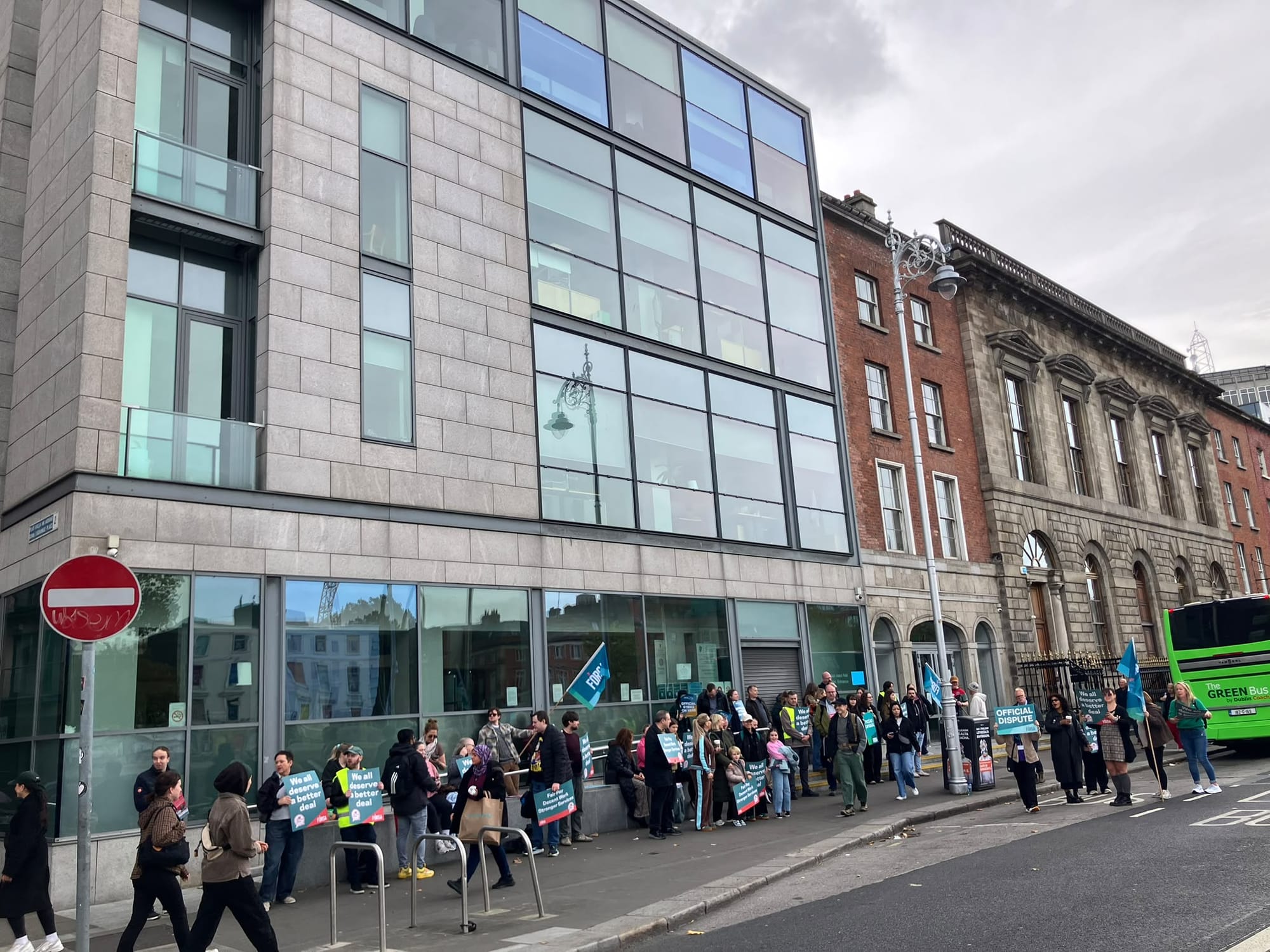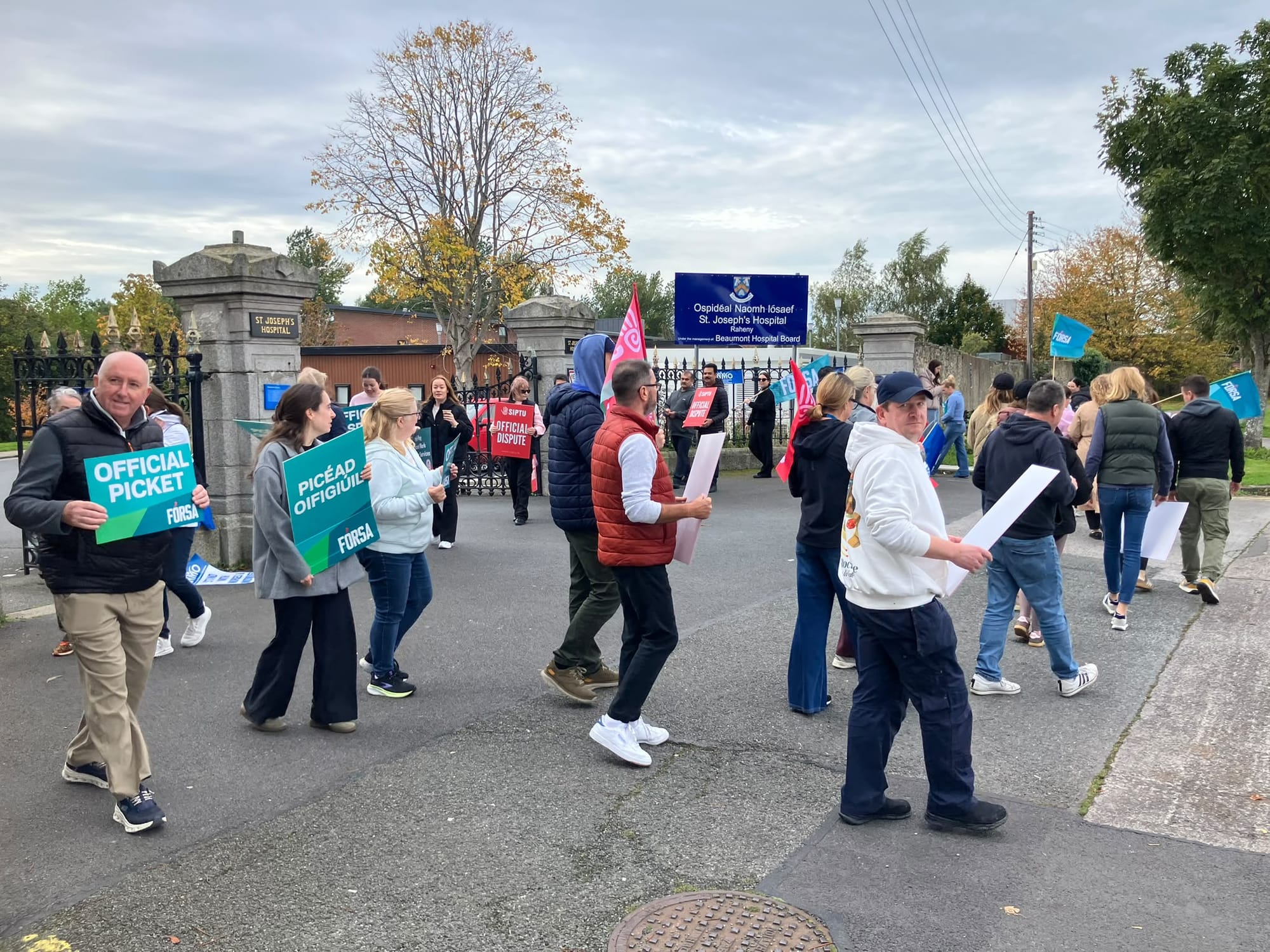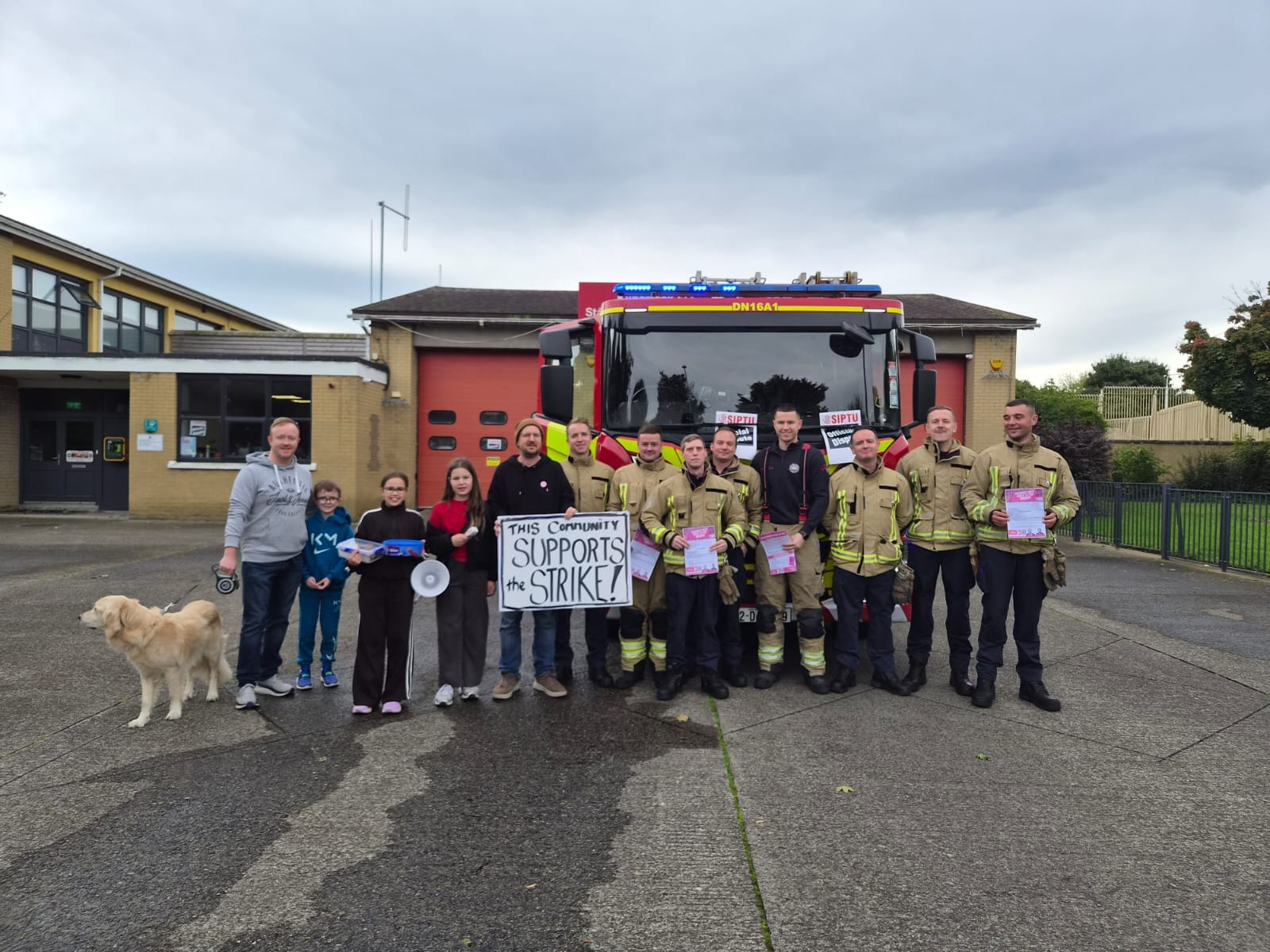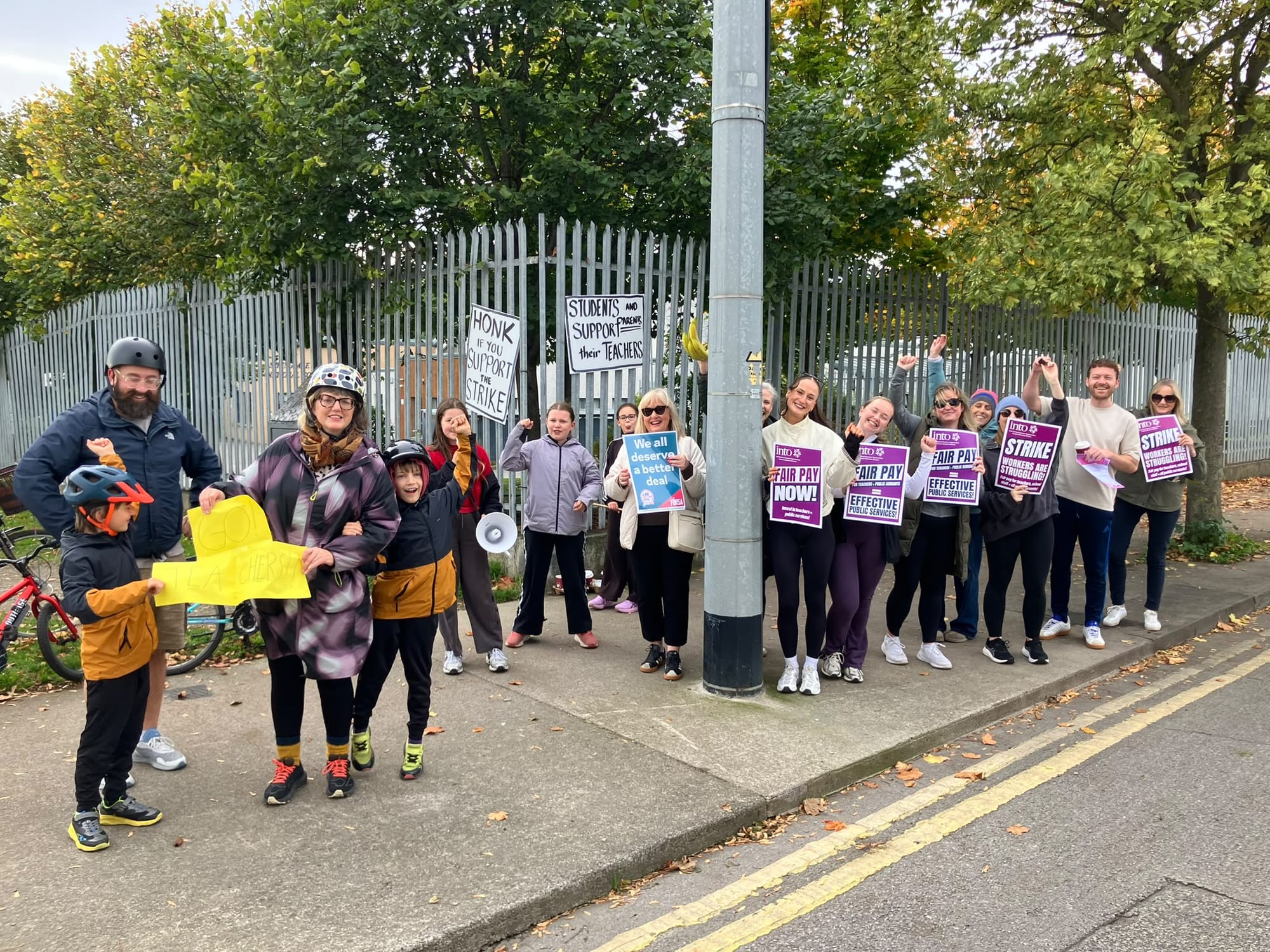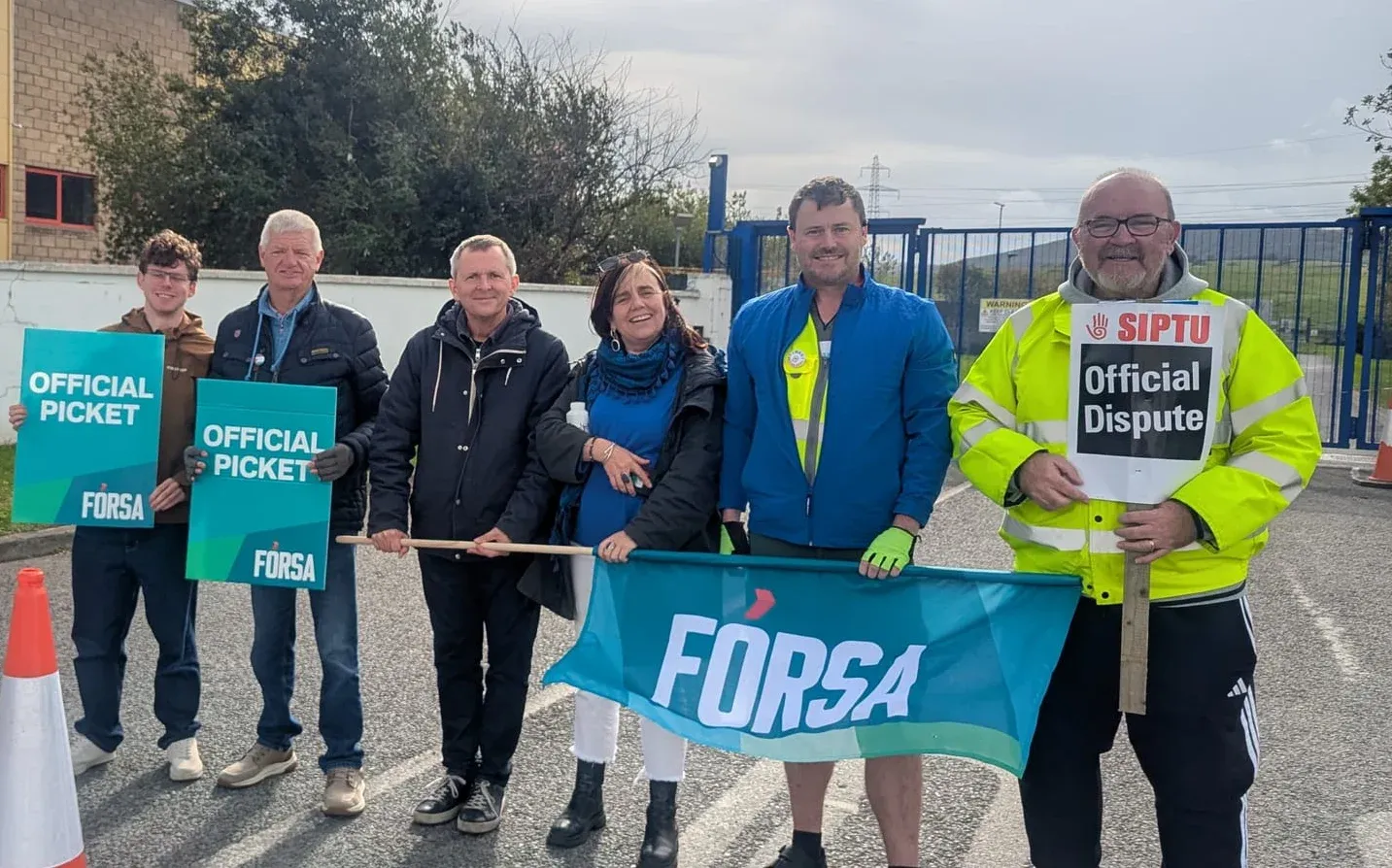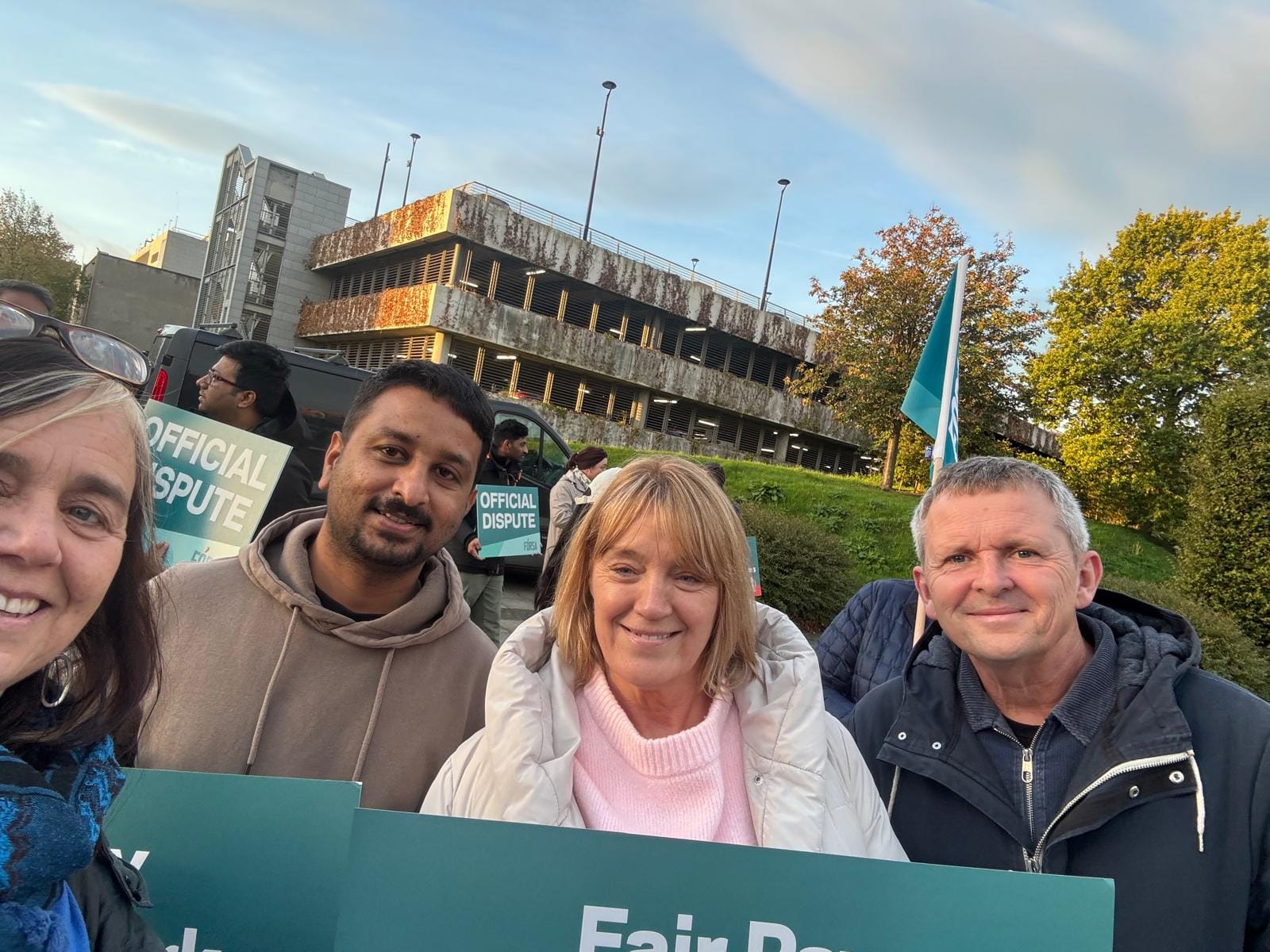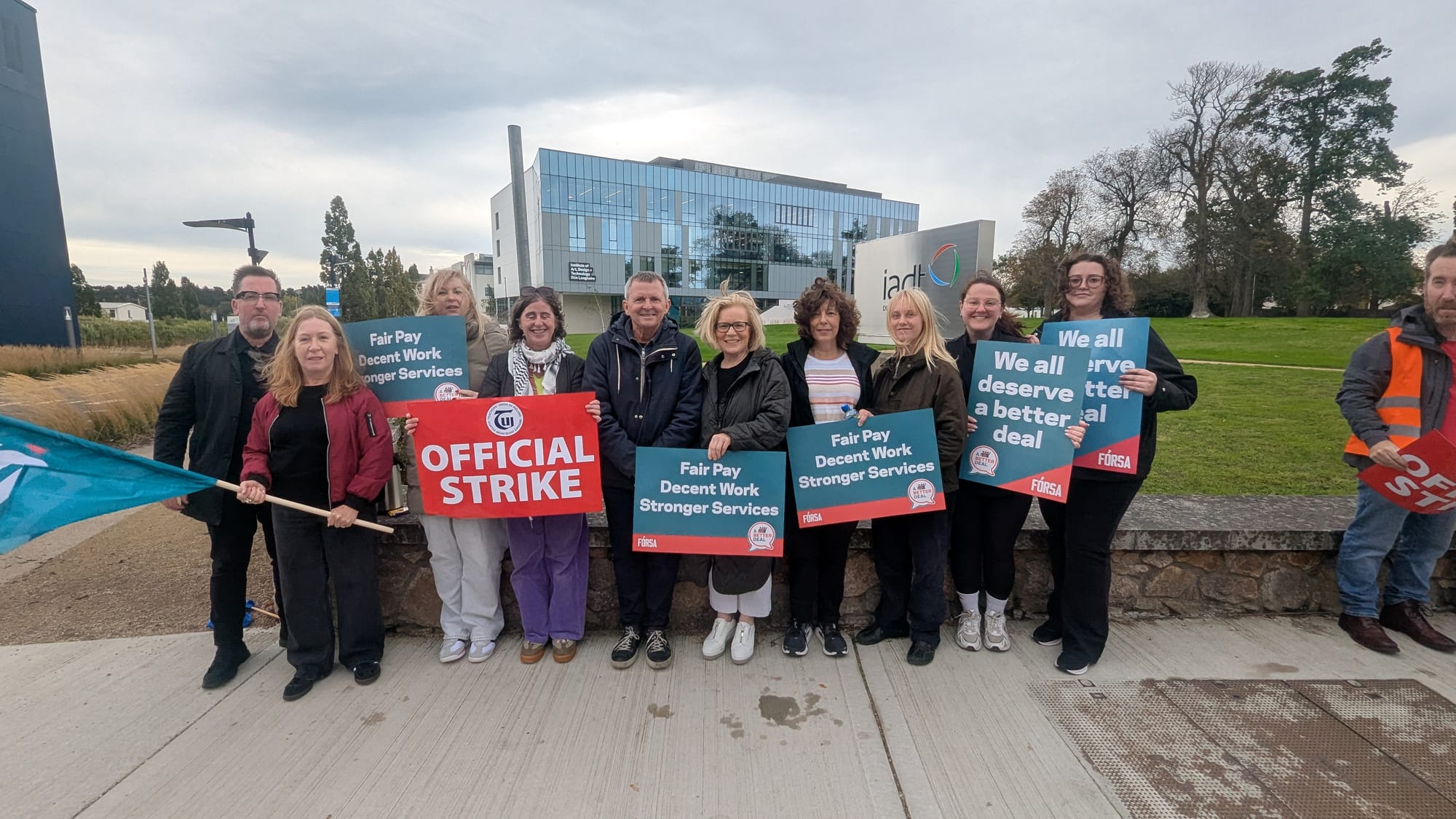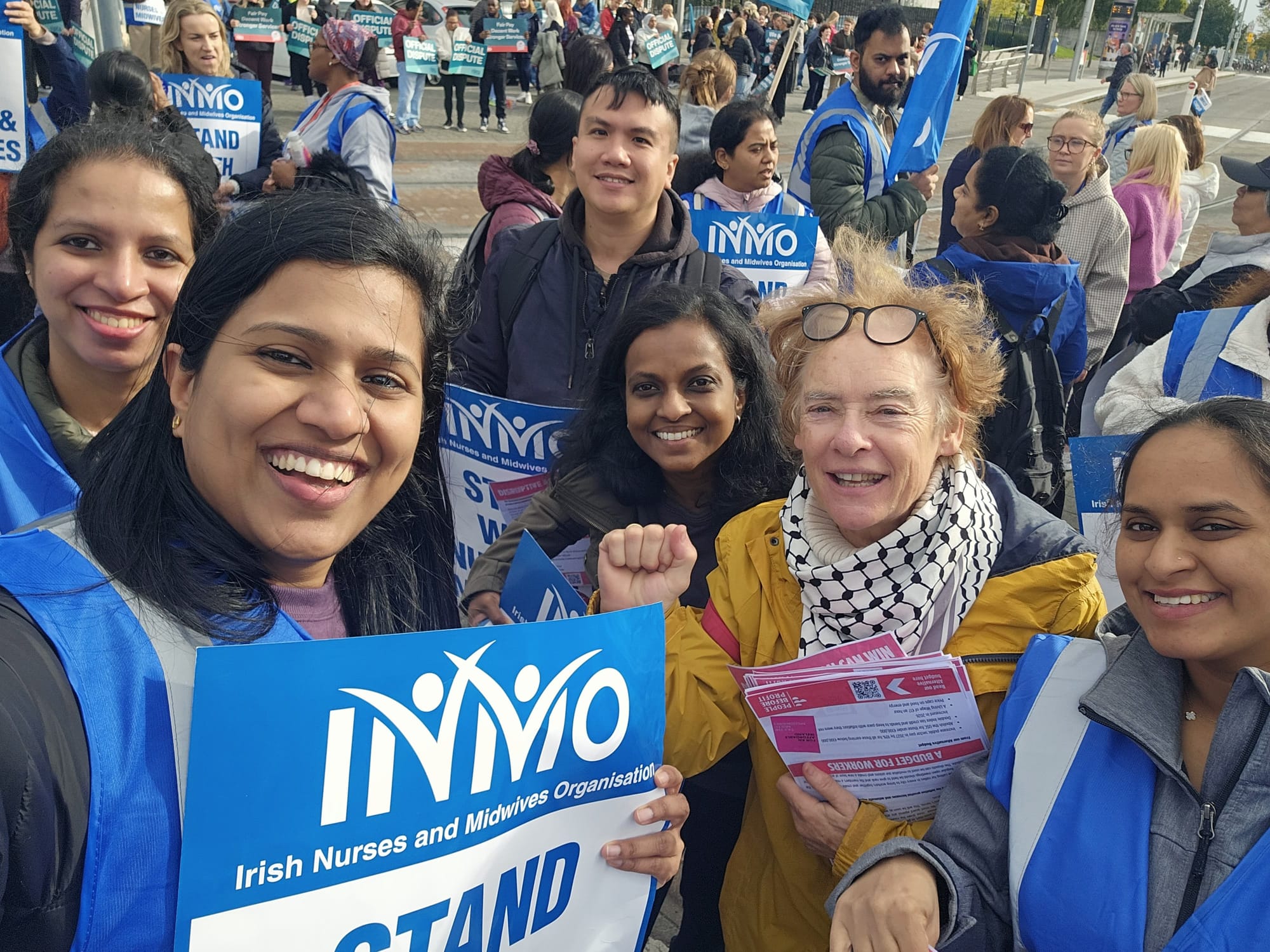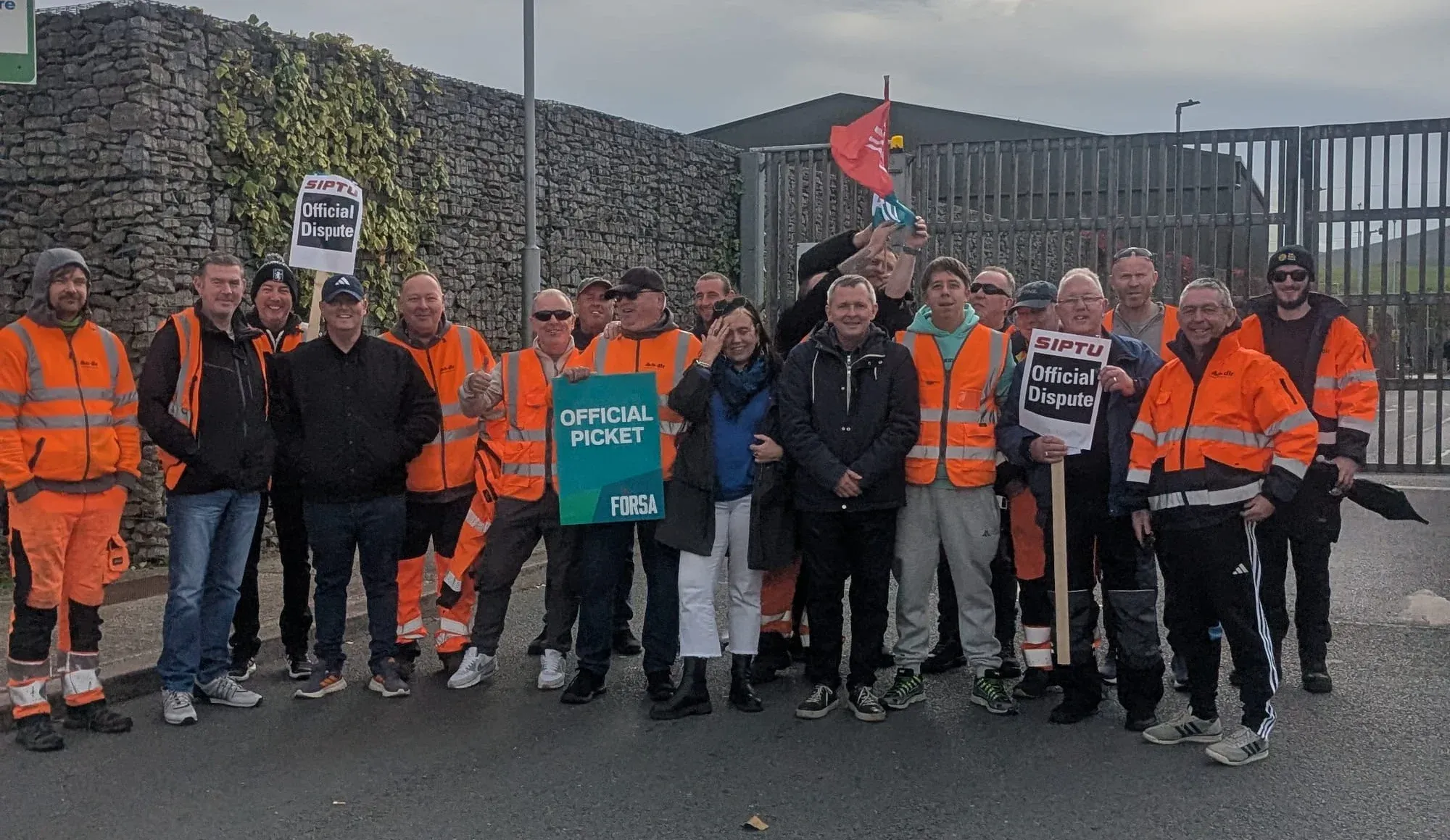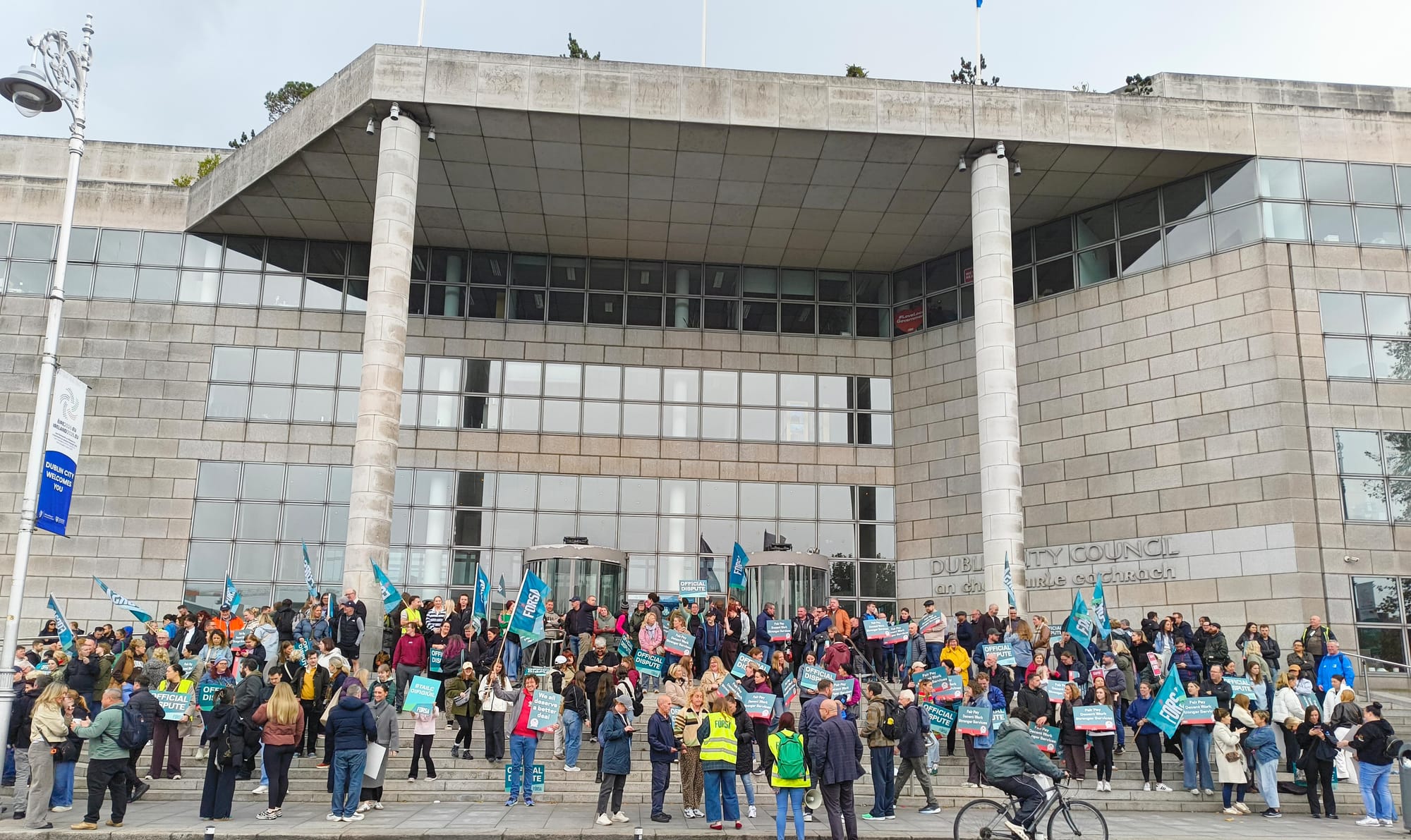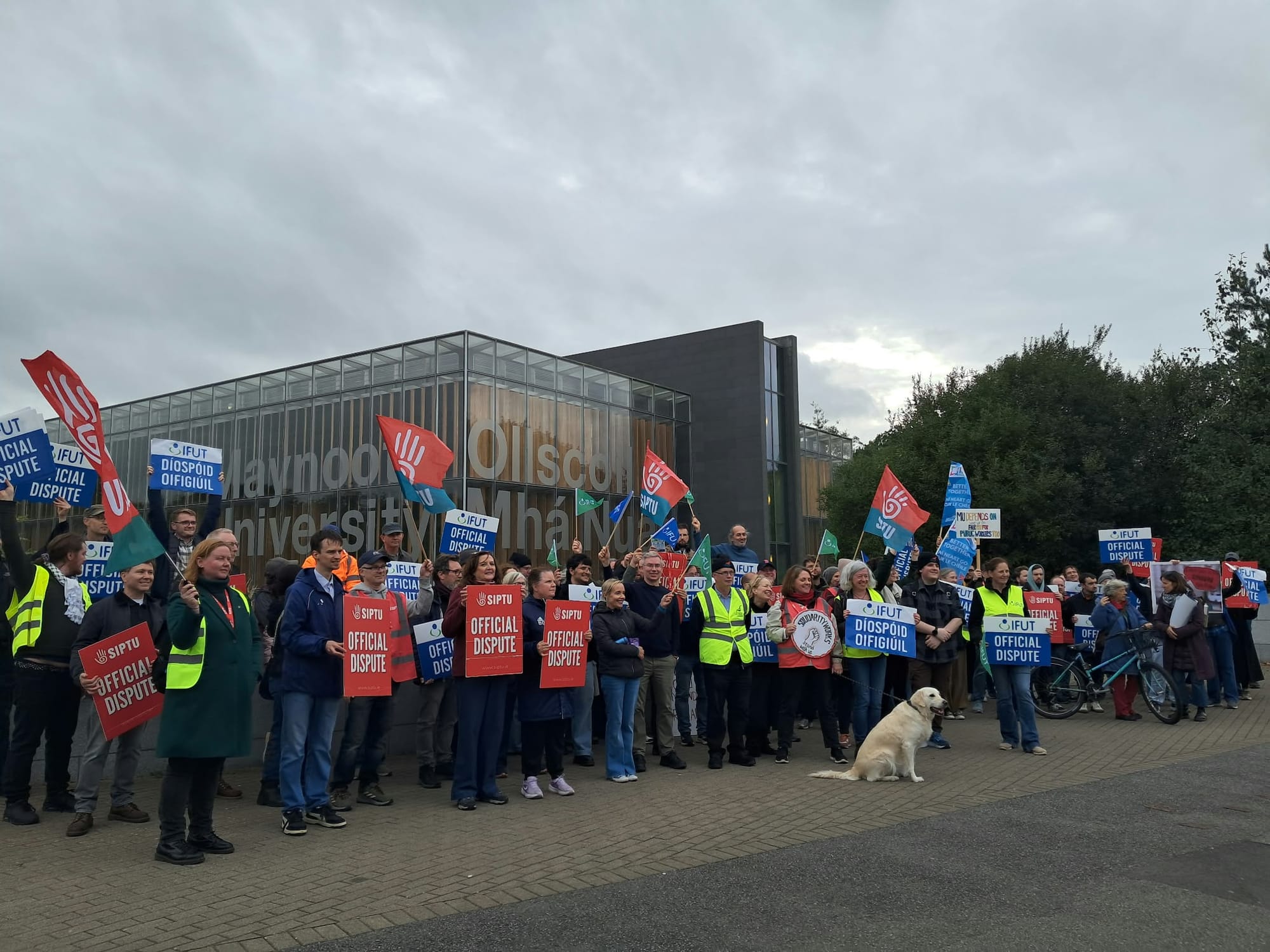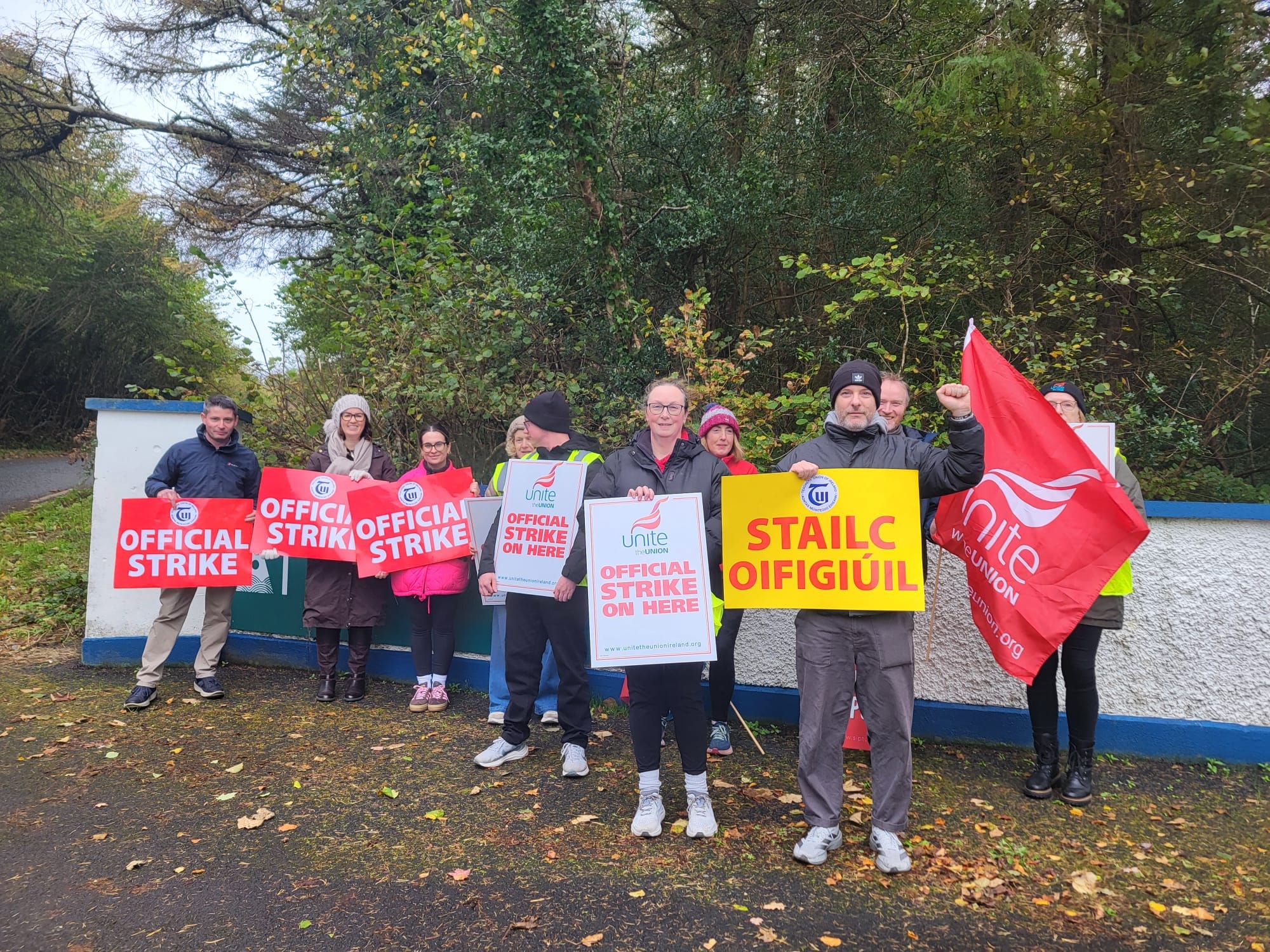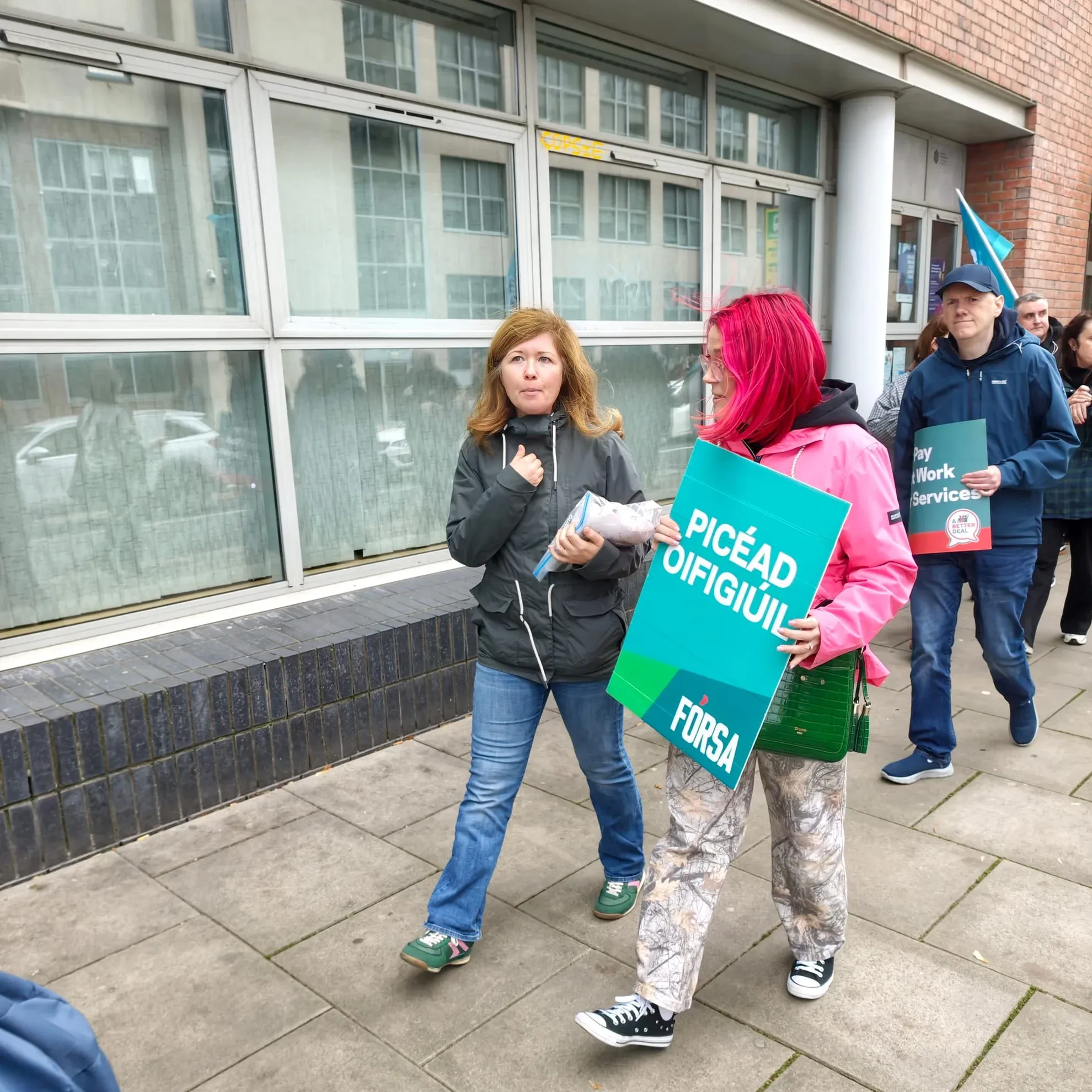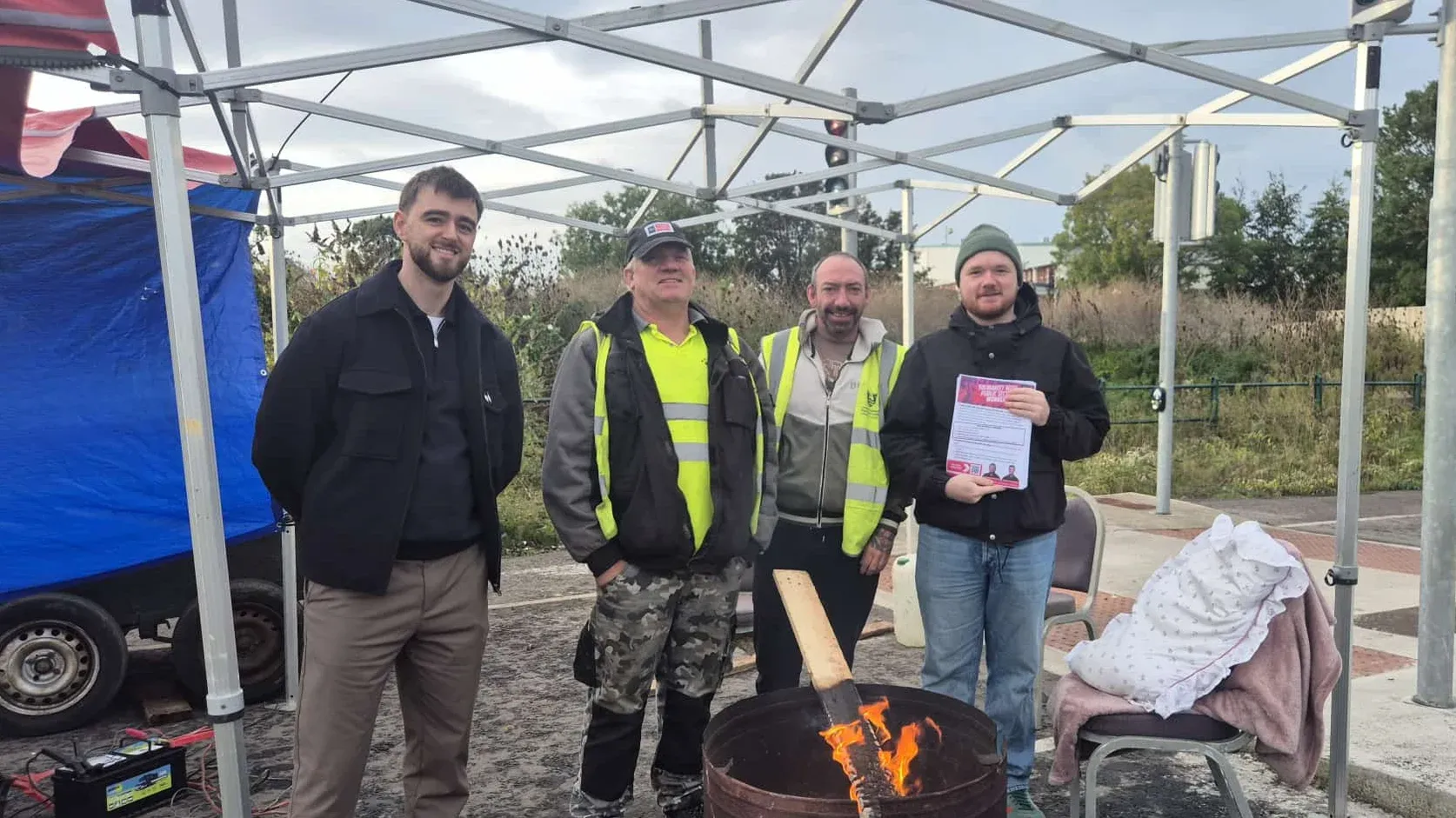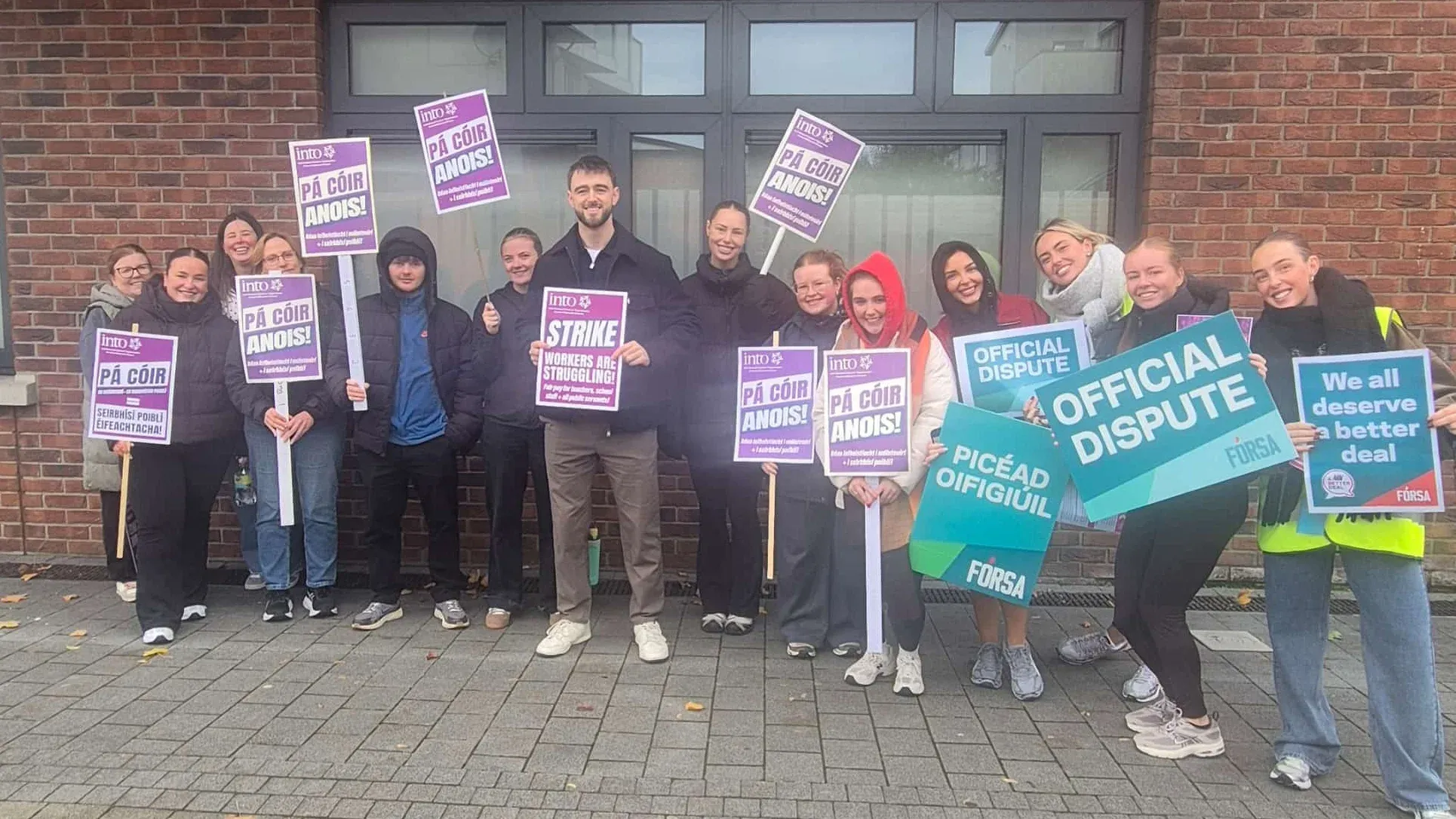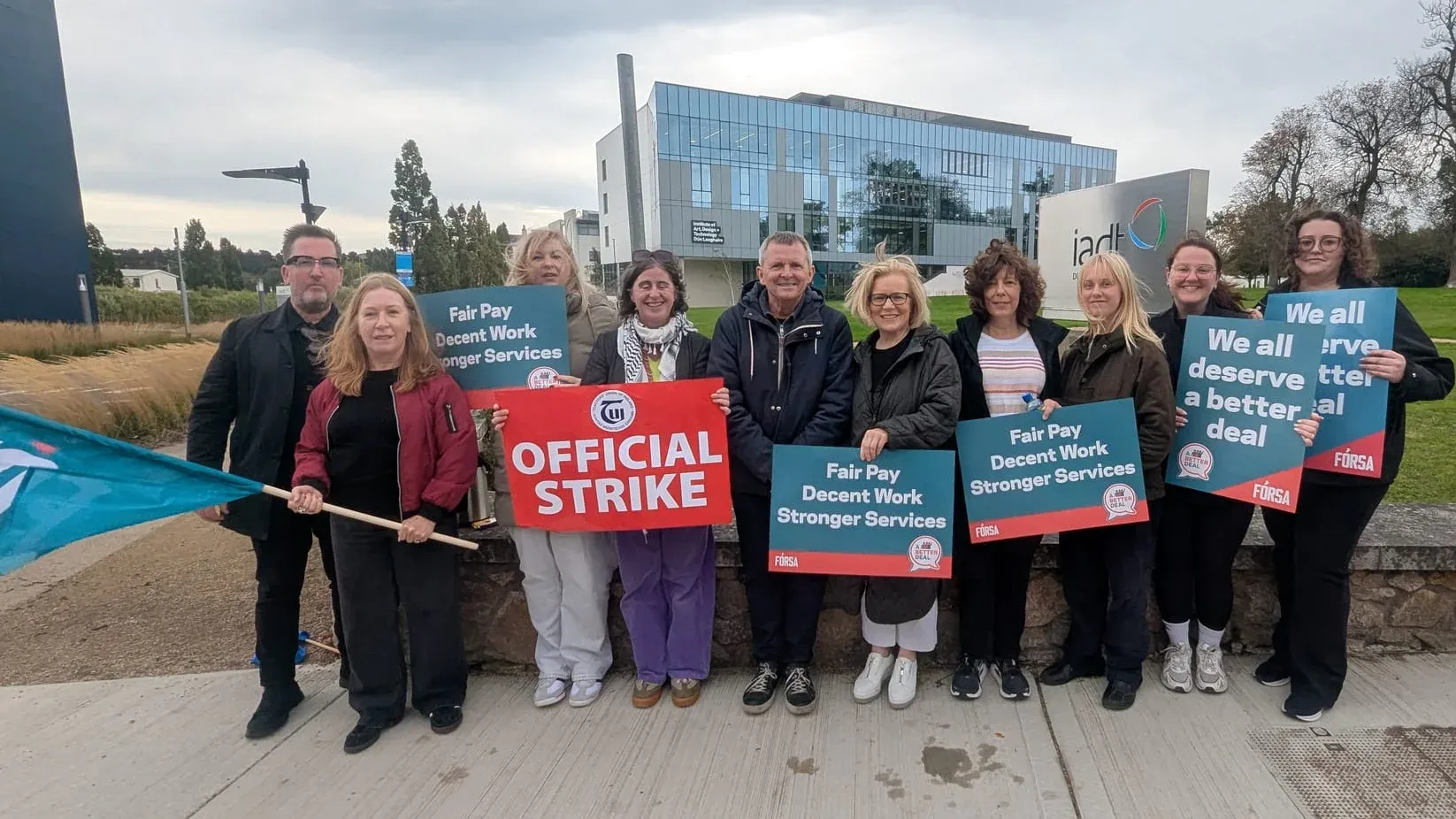
Today has seen a magnificent display of worker power and solidarity. Massive energetic pickets lines across the country have shown that workers are angry about the cost of living and want real action to address it. Yet again public sector workers have shown that, without them, the country can’t function.
It's clear that many private sector workers support them. A victory for the public sector will set a bar for the private sector and give worker the confidence to fight. Across the country People Before Profit members have been out supporting the strikers.
The facts are simple:
- Between 2021 & 2025 public sector wages fell behind inflation by 5.5%.
- In 2026 workers got 2% for the first half of the year: inflation is now 4.1%
- Inflation will be at least 3% next year.
- Workers need at least 10% just to catch up and stay ahead.
- The Government has provided €1.2 billion in the budget for pay increases. This is far from what is needed. It will mean a 2% pay increase in 2027. Effectively a pay cut.
- It is estimated that most household will be over €2000 worse off next year. Everything is going up except workers’ real pay. The Budget did not deliver any real gains for workers.
- The government will run a budget surplus of €6.7 b in 2026 and another €9.6 b in 2027. The money is there.
For most workers this strike is not about the sequence in which issues get discussed at the talks. It is about delivering real pay increases now and ensuring their pay is protected from inflation in the future. Workers need at least 10% in 2027 alone, back payment for 2026 and an escalator clause to protect from further increases in inflation. Anything less should be unacceptable. A 10% increase in 2027 requires the government to allocate €3b. It must be forced to do so.
It's time now to escalate the action to win. Going into talks on the basis that the government is prepared to talk about pay first is not enough. It would certainly represent a victory in that the government wanted to get commitments on more productivity before committing to discuss pay. But if one day of action can force the government to change its position on the sequence of the talks, think of what could be achieved by escalating the action.
To really win the action should be continued until the government give a clear commitment to meet the pay demand of the workers. That means calling an all-out strike and major rallies to really disrupt the country and allow other workers and the public to show their support. It we have learned anything from the fuel protest it is that serious disruptive action is needed to win. Using your muscle leads to results.
There are indications that some union leaders may want to use the one-day strike as a lever to force negotiations. Throughout the day, and following Chambers comment that pay can be the “starting point” for negotiations, we have heard that “there is convergence amongst the parties”. The unions are now saying that if an “honest broker” is appointed and the Taoiseach intervenes there may be a “pathway to resolution”. The Taoiseach said he welcomed the “tone and disposition” of union leaders this morning. But no commitment has been given to provide inflation busting pay increases.
Going into talks now without a clear commitment to meet the pay demands of the workers will lead to low pay increases, which the Government will try to link to productivity. We need to work now to sustain and grow the action. Activists should demand, or call, meetings in every workplace to discuss the strike, demand that next week goes ahead, and that it be escalated to all out action as soon as possible. This clearly represents the mood on the picket lines.
We have a great opportunity to strike a blow against an anti-worker right wing government and to energise and rebuild our movement. It should not be squandered.